How old do you think mummies are? Very few skeletons fossilize, even fewer also mummify. I’m sure you’ve heard of people being mummies, for example in Egypt, but did you know animals and even dinosaurs can mummify? We have very few dinosaur mummies but they help show us so much about what certain dinosaurs looked like.

34 million years ago a frog was mummified and left for paleontologists to find. This was the front half of a Liaobatrachus. This astounding frog was discovered by Henri Filhol in 1873 near London. For a long time, paleontologists had no idea how old this fossil was until they were able to scan and pinpoint when it lived. However when they did scan it they found out there was a skeleton inside of the hardened and mummified skin. Many people report the fossil still looks gooey 34 million years later, or like a sun-dried frog.

Thescelosaurus is a small plant-eating dinosaur that lived 68-66 million years ago and its mummy left a stir in paleontology. Around 66 million years ago Theselosaurus’s leg was fossilized and mummified, preserving most of its tissue. This mummy was found at the Tannis fossil site in the Hells Creek Formation, North Dakota by Robert DePalma. When this mummy was dated Paleontologists realized it had small bits of debris thought to be from the asteroid that killed the dinosaurs. This astounding discovery was huge for paleontology allowing them to study particles from when the asteroid hit and how many of the other dinosaurs in the end died.

One million years before Theselosaurus an Edmontosaurus was almost entirely mummified. We have found three total Edmontosaurus mummies, giving paleontologists an almost perfect image of what this dinosaur looked like. The most famous is AMNH 5060 which has almost all of its skin, hooves, bones, and beak. This discovery gave scientists an amazing image of what dinosaur skin was like and a new image into these duckbilled dinosaurs. Another amazing Edmontosaurus mummy is the Ed Senior and Ed Junior fossil. This fossil features an adult and juvenile Edmontosaurus, this fossil was the first fossil to give scientists a look at what the duck-billed dinosaurs hooves were like. The Seneckenberg mummy is the least mummy-like of the Edmontosaurus but still gave scientist another look at this astounding creature.
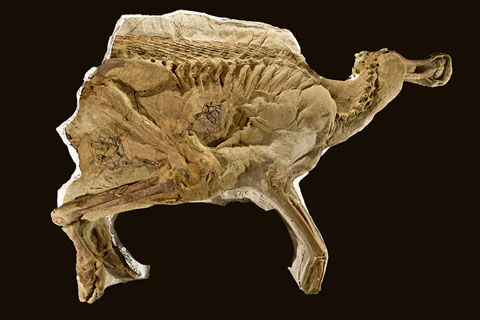
The other duck-bill that was mummified was Leonardo the Brachylophosaurus. This dinosaur was immaculately preserved, complete with skin, organs, hooves, and a beak. This dinosaur ironically helped show scientists that at the very least duck billed dinosaurs had parasitic worms. Leonardo was found in the Judith River Formation in Montana, 2000. Scientists were able to use scanning tools to recreate models of this dinosaur and determine its skin color. They also found out Brachylophosaurus had small polygonal scales which was huge for paleontology.
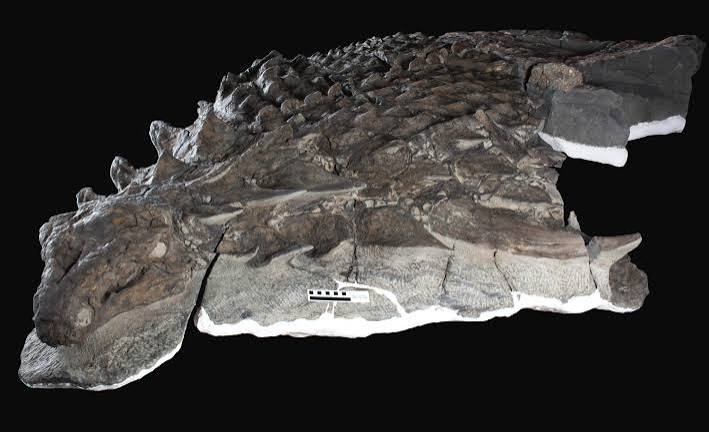
My second favorite of the mummies is Boreopelta. This dinosaur despite being preserved 113 million years ago is perfect. Well, almost perfect only the dinosaurs top half was preserved. This mummy also left paleontologists extremely confused because it was found in an area that was an ocean when it was preserved. The mummy was found by accident by an excavator. Later on, paleontologists determined this Boreopelta died and its body filled with gasses. It floated out to sea and was buried in sediment, mummifying and fossilizing it. This fossil gave scientists a huge step into understanding Ankylosaurs. They were able to determine color, scale type, how its skin moved around the bony plates and so much more.
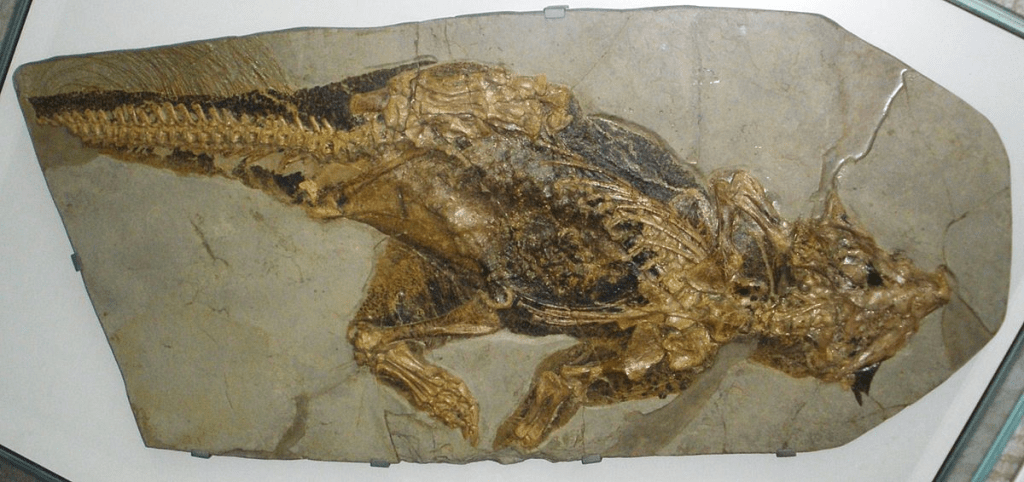
Psittacosaurus is one of the coolest mummies and one of the most beneficial to science. It was perfectly preserved, which is how scientists found out Psittacosaurus and possibly other Ceratopsians had quills on the top of their tails spanning from the base to the tip. This mummy is most notable for its cloaca. This showed scientists that Psittacosaurus and maybe other dinosaurs had a cone shaped cloaca and was similar to modern birds. In other words this dinosaur is notable for its butthole.
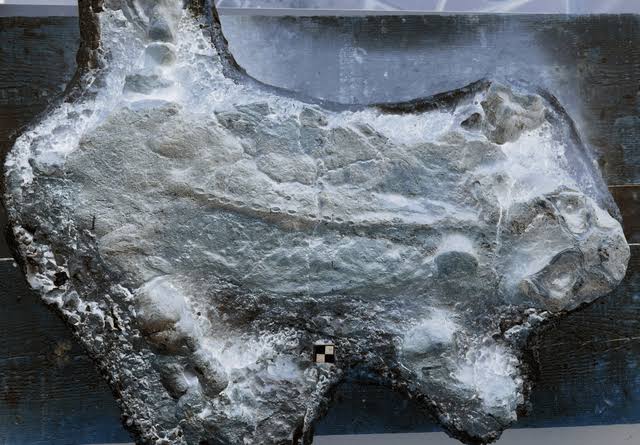
The oldest and most recently found mummy is a Lystrosaurus. Alike the frog the Lystrosaurus is not a dinosaur, but unlike the frog Lystrosaurus is a dicynodont. This Lystrosaurus was mummified 251 million years ago at the early start of the dinosaurs. This mummy resembled modern mummies due to the Early Triassics dry climates. This mummy helped scientists understand much about these early animals.


Leave a Reply